
Radiation Toxicity and Its Effects on the Vocal Folds June 2026
Why Your Voice May Change Years After Treatment
Many individuals who have undergone radiation treatment for head and neck cancer notice changes in their voice months—or even years—after treatment has ended. While radiation plays a critical role in treating cancer, it can also create lasting changes in the tissues of the throat and larynx (voice box).
Understanding these changes can help patients seek appropriate treatment and maintain the best possible voice and swallowing function.
What Happens During Radiation?
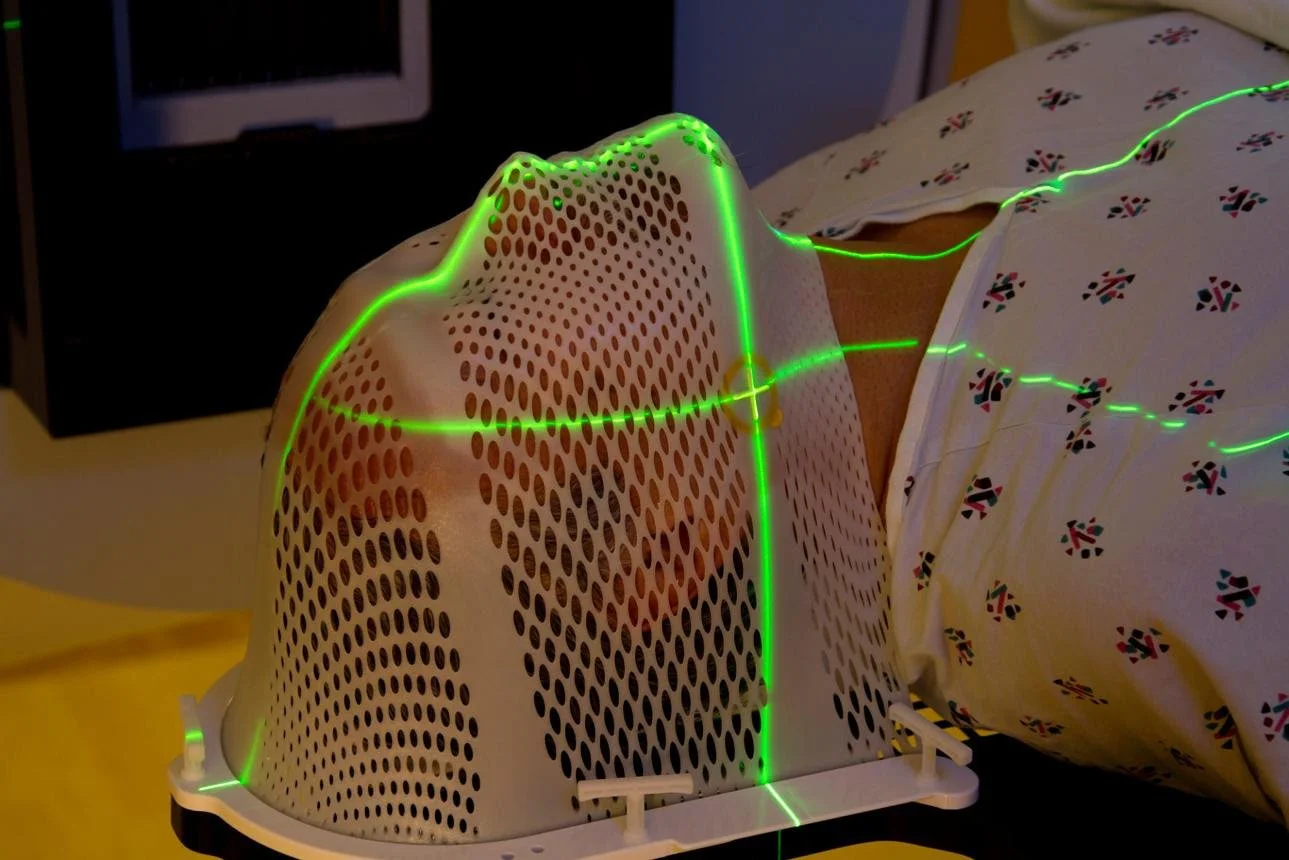
Radiation therapy works by damaging cancer cells, but healthy tissues in the treatment area can also be affected. Over time, radiation can cause:
Tissue fibrosis (scarring)
Reduced blood supply
Muscle weakness and stiffness
Dry mouth and throat
Nerve changes
Reduced tissue flexibility
These changes may develop gradually and continue for years after treatment.
How Radiation Affects the Vocal Folds
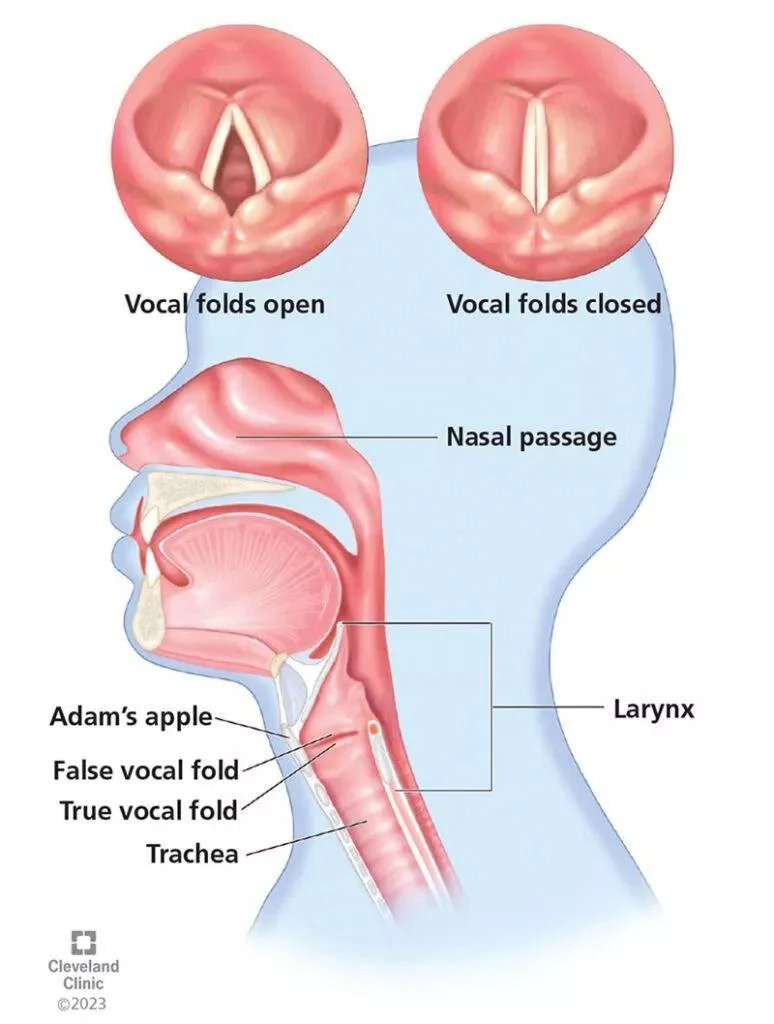
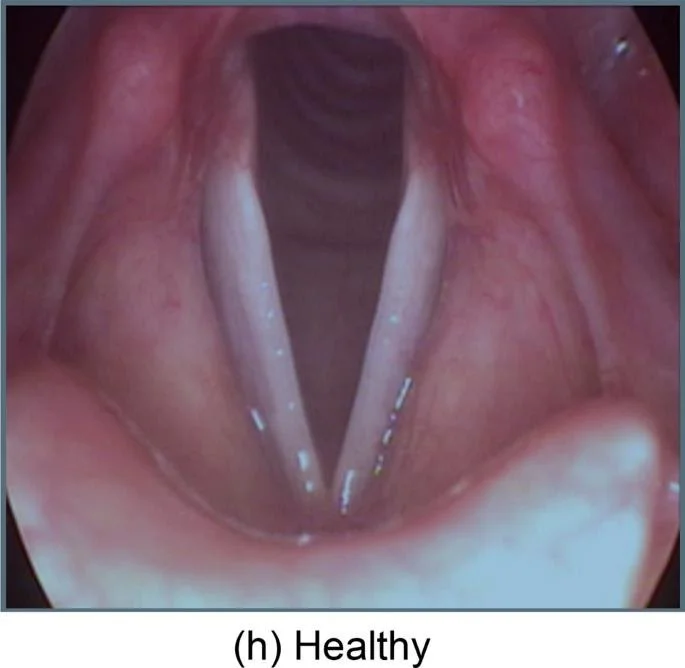
The vocal folds are delicate structures that must move freely and vibrate efficiently to produce a strong voice. Radiation may affect them in several ways:
Vocal Fold Stiffness
Healthy vocal folds vibrate like flexible ribbons. Radiation can make tissues less elastic, resulting in:
Hoarse voice
Rough vocal quality
Increased vocal effort
Vocal fatigue
Swelling and Edema
Some patients experience persistent swelling of the vocal folds, which can cause:
Lower-pitched voice
Muffled sound quality
Frequent throat clearing
Muscle Weakness
The muscles responsible for moving the vocal folds may weaken over time.
Symptoms may include:
Breathy voice
Reduced vocal volume
Difficulty projecting the voice
Running out of air while speaking
Vocal Fold Paralysis or Paresis
In some cases, nerves controlling the vocal folds may be affected.
This can lead to:
Significant breathiness
Weak cough
Difficulty being heard in noisy environments
Swallowing difficulties
Swallowing and Voice Often Go Together
The structures used for speaking are also involved in swallowing. When radiation affects the larynx, patients may notice:
Food sticking in the throat
Coughing during meals
Increased effort when swallowing
Changes in airway protection
This is why a comprehensive voice and swallowing evaluation is often recommended when symptoms develop.
What Can Help?
The good news is that many patients can improve their function with appropriate treatment.
Treatment options may include:
Voice Therapy
A speech-language pathologist can help improve:
Vocal efficiency
Breath support
Vocal endurance
Projection and loudness
Expiratory Muscle Strength Training (EMST)
EMST can help strengthen breathing and coughing muscles, improving airway protection and voice support.
Vocal Fold Augmentation
For patients with significant vocal fold weakness or incomplete closure, an ENT may recommend an injection procedure to improve vocal fold closure.
Hydration and Vocal Care
Good hydration and vocal hygiene can reduce strain and support healthier voice production.
Swallowing Therapy
Targeted exercises may help improve strength, coordination, and airway protection during swallowing.
When Should You Seek Help?
Contact your physician or speech-language pathologist if you notice:
A hoarse voice lasting longer than a few weeks
Increased vocal fatigue
Difficulty being heard
Frequent coughing during meals
A decline in swallowing function
Early intervention can often prevent further decline and improve quality of life.
Star Center Foundation Tip
If you had radiation treatment years ago and your voice or swallowing seems to be changing, don't assume it's simply aging. Radiation-related changes can occur long after treatment ends, and many treatment options are available to help you maintain communication, swallowing safety, and quality of life.
Star Center Foundation
Bridging Care with Compassion
Supporting individuals and families navigating feeding, swallowing, and voice challenges.