
When Your Voice Feels Different: Understanding Radiation & Voice Changes May 2026
“My voice just doesn’t sound like me anymore…”
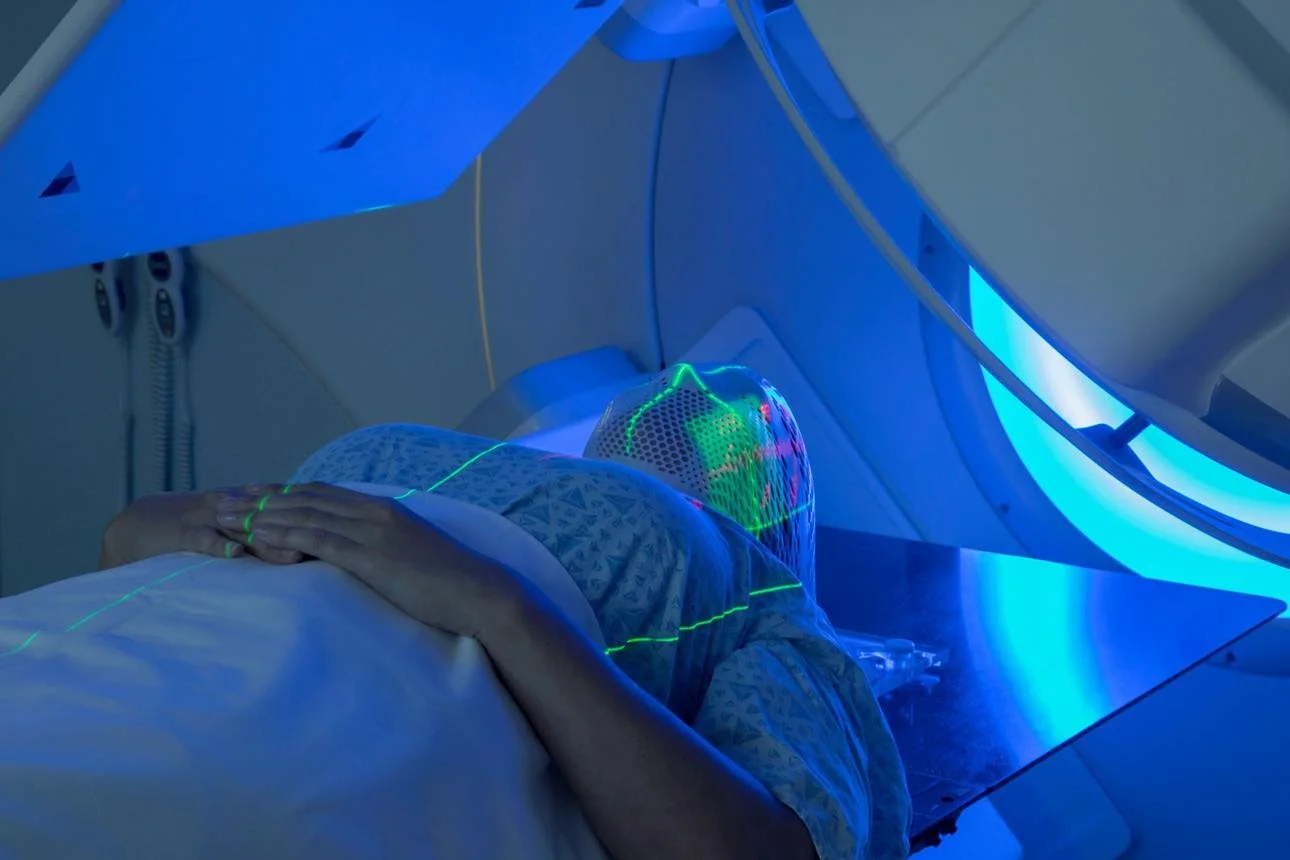
If you or someone you love has gone through radiation therapy—especially for head, neck, or chest areas—you may notice changes in voice.
You’re not imagining it.
And more importantly… you’re not alone.
How Radiation Affects the Voice
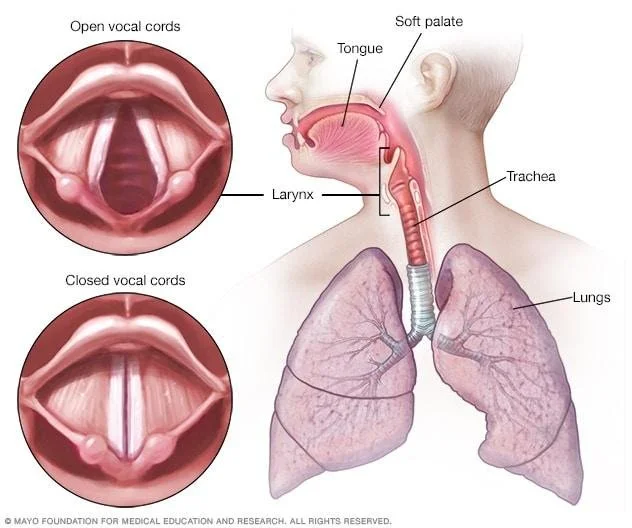
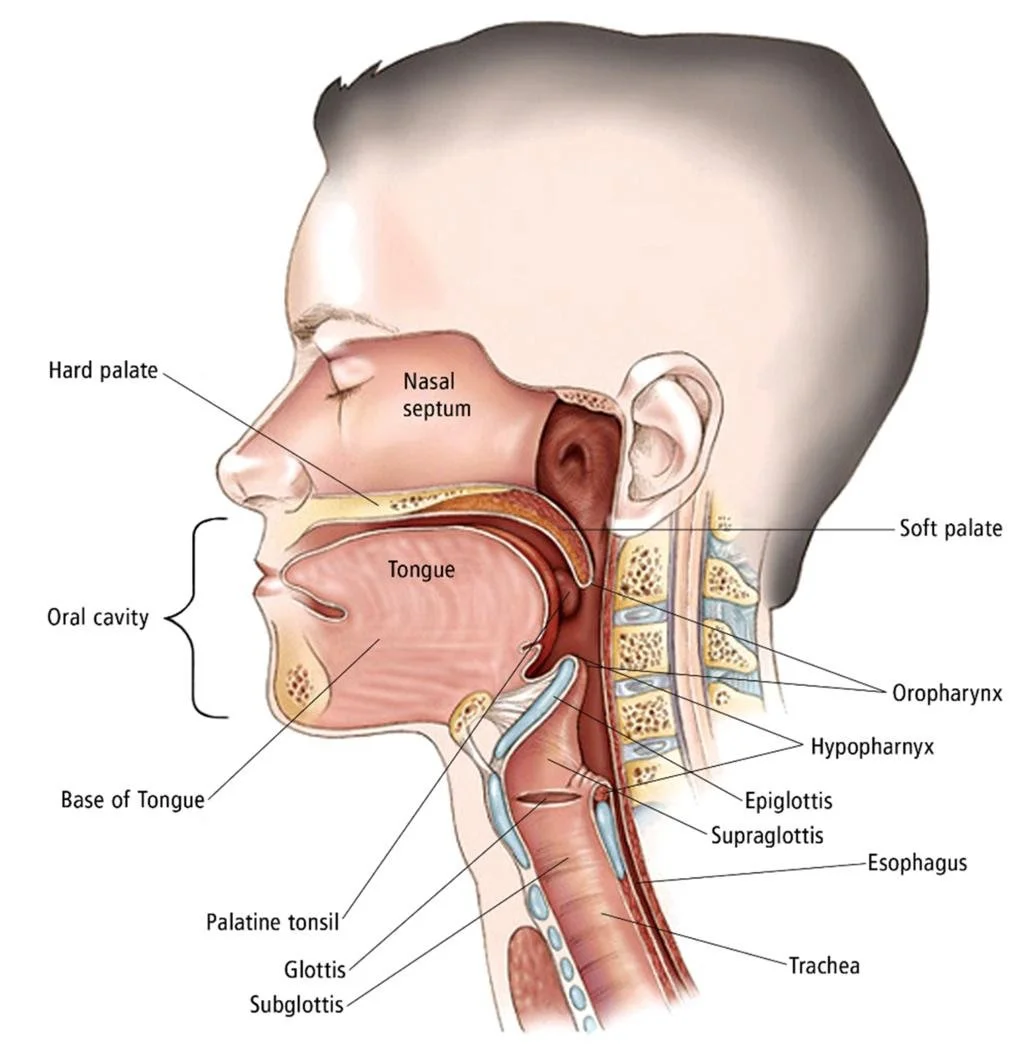
Radiation can impact the delicate structures that create your voice:
Vocal cords may become stiff or swollen
Saliva production decreases → dryness
Muscles weaken or tighten
Tissue can become fibrotic (less flexible)
This can lead to:
Hoarse or raspy voice
Vocal fatigue (tiring quickly when talking)
Reduced volume
Strain or effort when speaking
Loss of vocal range
What Can You Do to Help Your Voice?
1. Hydration is Foundational
Sip water throughout the day
Use a humidifier at night
Ask your doctor about saliva substitutes if needed
2. Reduce Irritation
Limit caffeine & alcohol (both dry the voice)
Avoid throat clearing (try a gentle swallow or sip instead)
Be mindful of reflux (this can worsen irritation)
3. Use Your Voice—Gently
Short, frequent voice use is better than long strain
Avoid whispering (it actually strains more!)
Think: easy voice, not forced voice
4. Voice Therapy Can Help
Working with a speech-language pathologist can:
Improve vocal strength and coordination
Reduce strain
Help you find your best voice again
5. Try This Simple Exercise
(Only if comfortable and cleared by your provider)
Easy Humming
Take a gentle breath in
Hum softly like “mmm”
Feel vibration in lips and face (not throat strain)
Repeat 5–10 times
This helps bring the voice forward and reduce tension
A Gentle Reminder
Your voice may sound different…
but it still carries your thoughts, your emotions, your story.
At the Star Center Foundation, we believe:
No one should navigate voice, swallowing, or feeding challenges alone.