
Voice & Spine Connection: How Cervical Hardware at C2-C4 Can Affect Voicing and What Can Help December 2025
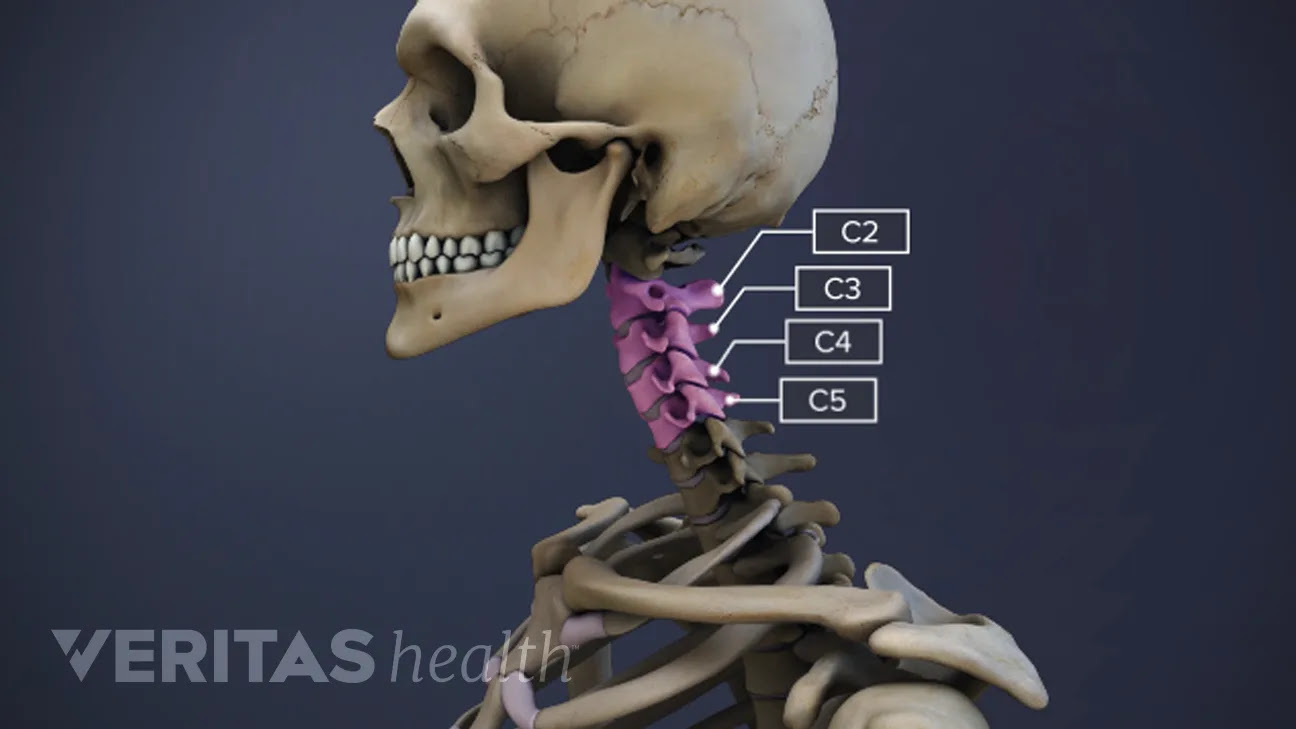
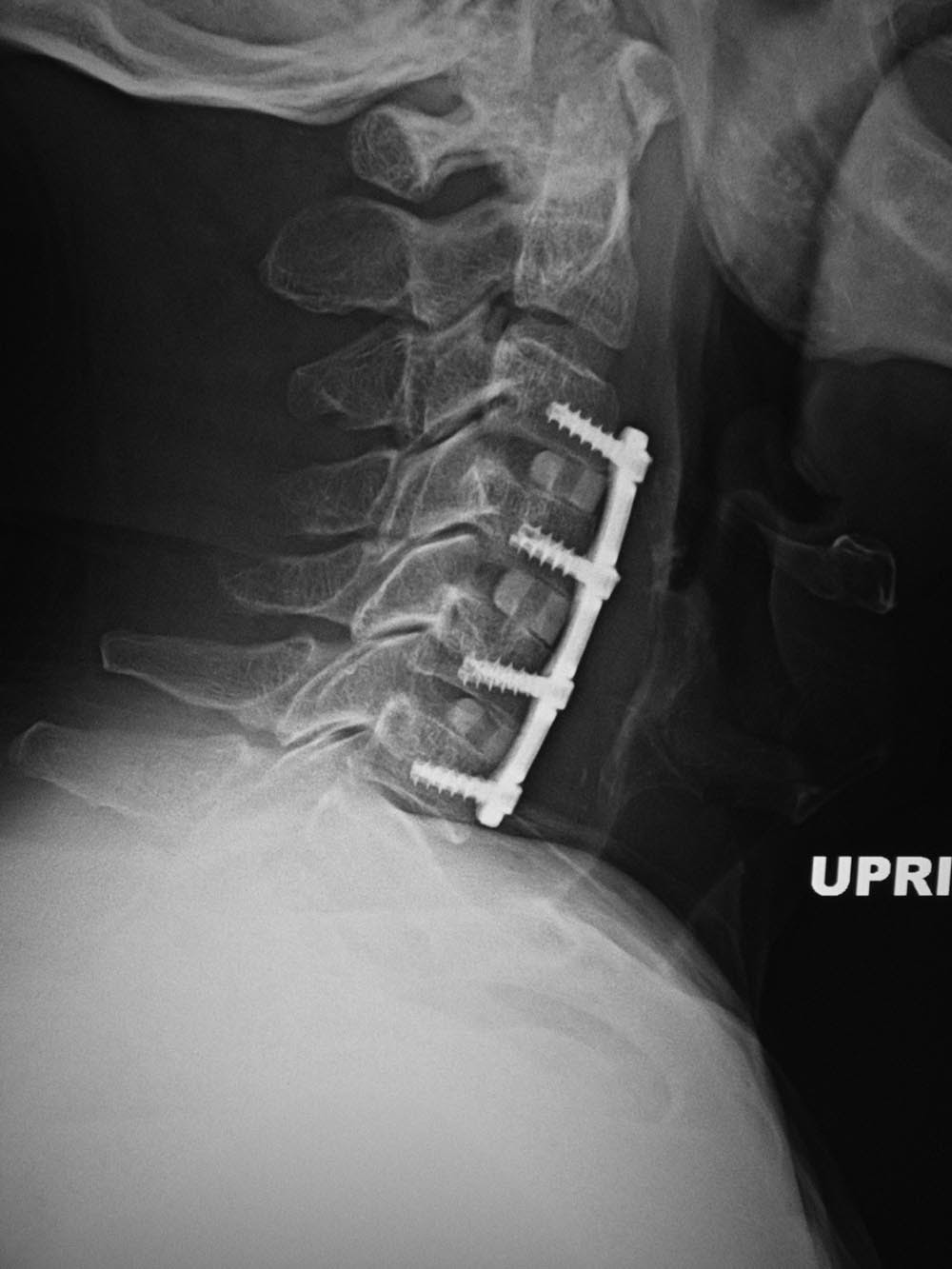
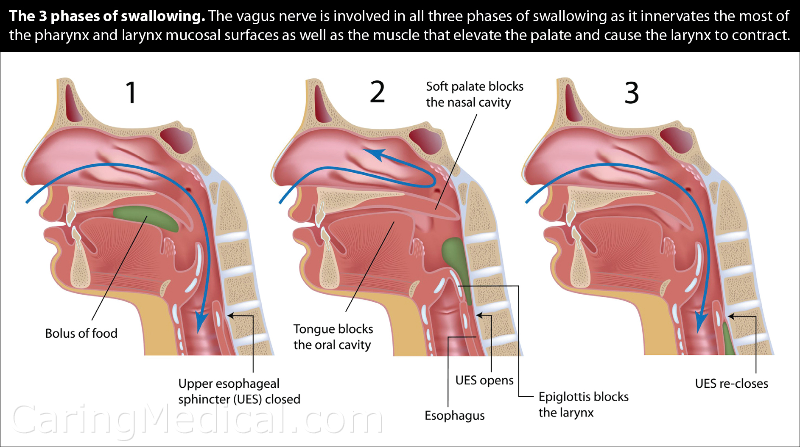
When cervical hardware is placed at levels C2–C4 — typically for stabilization or fusion — patients can experience changes in their voice. This is because the front of the neck is rich with nerves and muscles involved in voicing, and even a small shift, stretch, or inflammation in these tissues can affect vocal quality.
These changes are common and do not necessarily mean something “went wrong” — they are usually related to temporary disruption or irritation of nerve pathways.
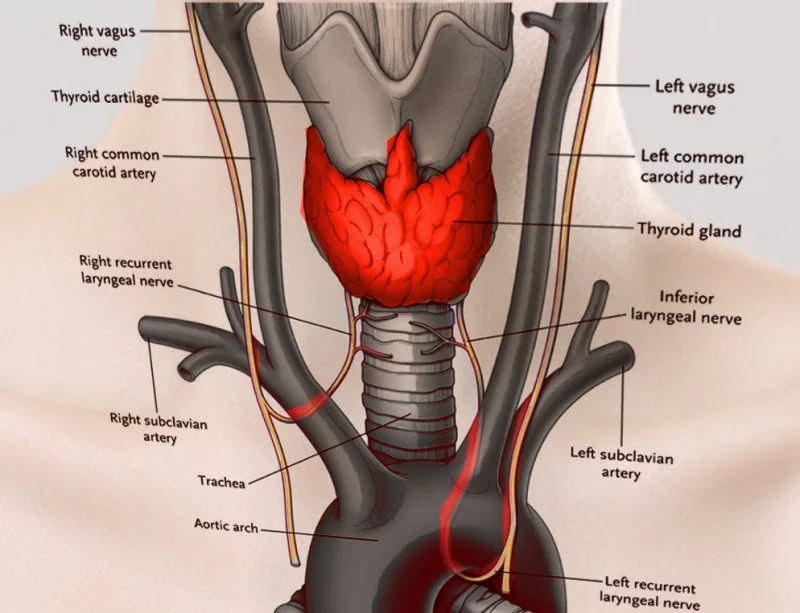
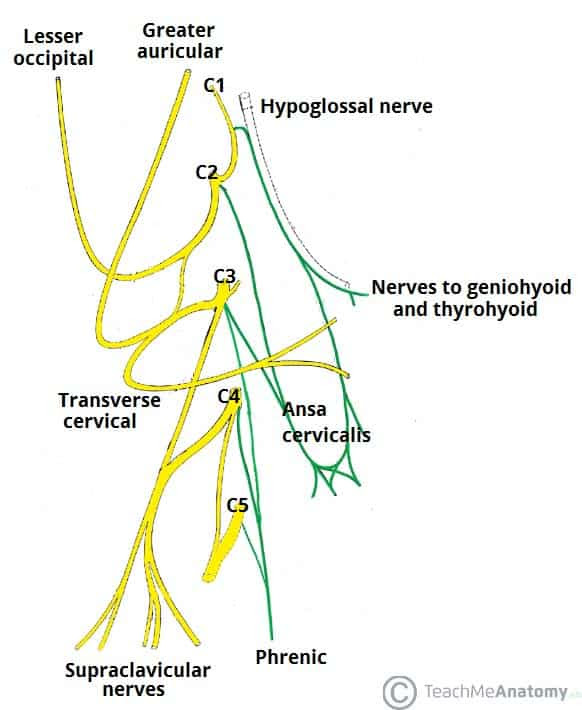
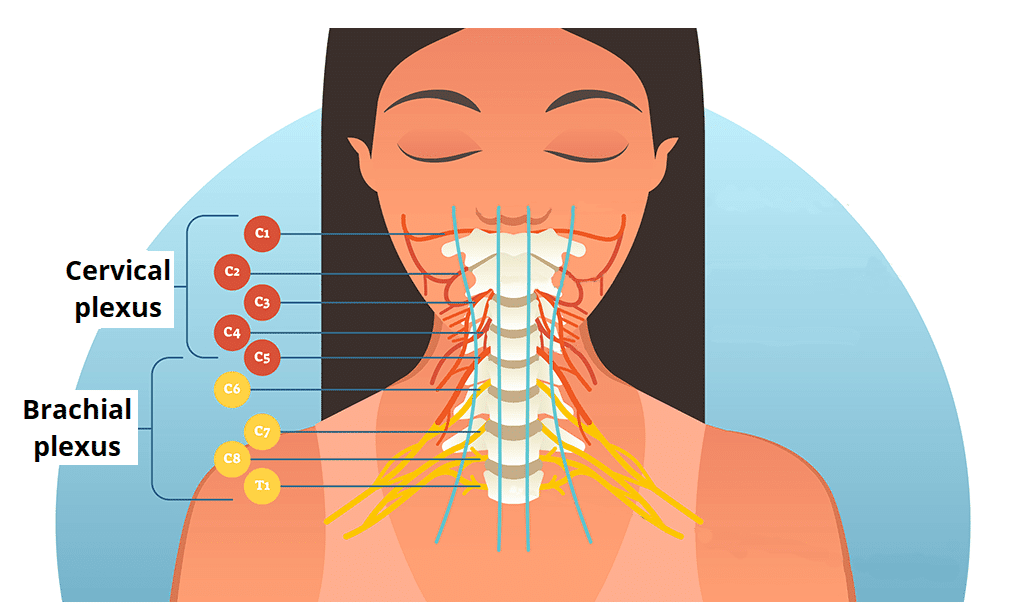
How C2-C4 Relates to the Voice
The cervical nerves at C2–C4 influence:
motor control to laryngeal muscles
sensation near the vocal folds
tension and positioning of the larynx
breath support for speech
neck posture affecting vocal resonance
The recurrent laryngeal nerve and the superior laryngeal nerve, which control pitch, volume, and vocal fold movement, can be:
stretched
compressed
inflamed
neuropraxic (temporarily impaired)
Even if the nerves are not severed, irritation alone can produce:
reduced volume
breathy voice
weak phonation
vocal fatigue
reduced pitch range
difficulty projecting
“thin” or airy quality
Common Voice Symptoms After Cervical Hardware Surgery
Individuals often report:
“My voice isn’t as strong as before.”
“I can’t talk loudly anymore.”
“I get tired speaking after a short time.”
“I feel like I'm running out of air.”
“I sound softer or different than I used to.”
“I can’t hit high or low notes.”
These effects can last weeks to months depending on healing and nerve recovery.
VitalStim and Neuromuscular Support
VitalStim — when applied by a certified clinician — can play an important role in recovery. It helps retrain the nerves and muscles involved in voicing by stimulating motor pathways.
VitalStim can help when:
nerves are irritated but intact
movement has diminished due to weakness
one vocal fold is under-recruiting
voice is fatigued and weak
there is reduced sensation or motor firing
VitalStim will not work if a nerve has been completely severed — because there is no electrical transmission pathway to stimulate.
But in cases of nerve stretching, swelling, or mild compromise, VitalStim can:
strengthen muscle activation
improve vocal clarity
support breath-voice coordination
increase projection and endurance
What Patients Can Do at Home
Helpful strategies include:
soft humming (no straining)
forward nasal resonance sounds: m-m-m, n-n-n
relaxed diaphragmatic breathing
sipping warm fluids
humidification
avoiding throat clearing and strain
taking vocal breaks when tired
maintaining hydration
These small habits help minimize compensatory muscle stress and support nerve healing.
When to See an ENT Voice Specialist
If voice recovery is slow, doesn’t improve, or reaches a plateau — an ENT who specializes in voice/laryngology can provide deeper insight.
They can evaluate:
nerve paralysis or paresis
incomplete vocal fold closure
vocal fold atrophy or thinning
scarring or tissue restriction
compensatory muscle hyperfunction
And if needed, they may offer:
vocal fold injection augmentation
medialization procedures
therapeutic injections
stroboscopic examination
collaborative treatment planning with your SLP
All is not lost.
Even if nerve recovery is incomplete, there are medical and therapeutic options that can significantly improve voicing outcomes. There is almost always another step that can be taken.
Final Reassurance
Voice changes after cervical hardware placement are real, common, and treatable.
With:
time
therapy
VitalStim when appropriate
and ENT support when needed
many patients experience meaningful improvement.
Your voice has the potential to recover — and you don’t have to navigate that journey alone.