
Swallowing After Tongue Cancer: What Patients Should Know December 2025
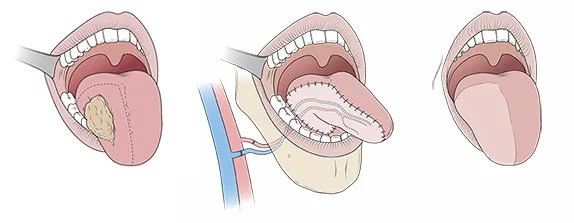
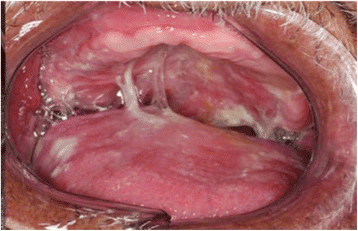
Why Swallowing Changes After Tongue Cancer
The tongue is a main driver of swallowing.
After treatment, patients may experience reduced movement, coordination, saliva flow, and muscle strength — but targeted therapy can help rebuild function.
The Importance of Saliva
Saliva acts like the “oil” that keeps swallowing smooth and safe.
Saliva helps with:
Lubrication during swallowing
Reducing painful friction
Preventing oral infections
Enhancing taste
Initial digestion
Encouraging saliva flow:
Sugar-free gum or lozenges (xylitol is ideal)
Sips of water
Sour stimulation (if tolerated)
Humidifier at night
Oral moisturizers or saliva substitutes
Avoiding alcohol-based mouthwashes
Choosing moist foods
Tongue & Swallow Strengthening Exercises
These should be introduced by a skilled SLP.
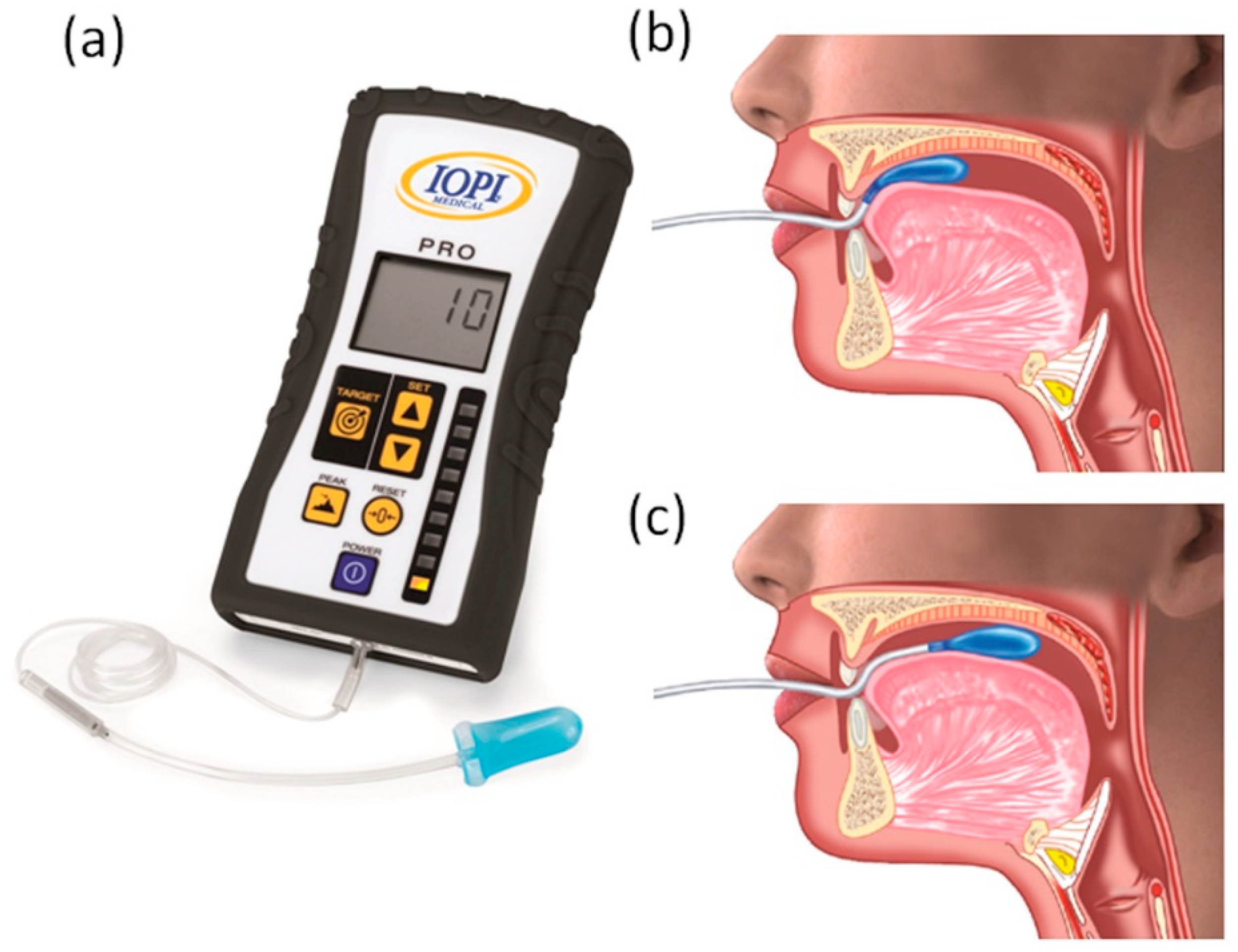
Using the IOPI (Iowa Oral Performance Instrument)
This is one of the BEST tools for tongue cancer swallowing rehab.
Measures tongue strength objectively
Tracks progress
Builds resistance training for the tongue
Increases tongue-to-palate pressure needed for safe swallowing
Patients LOVE this because they can see their strength scores improve over time — it makes progress measurable.
VitalStim & Neuromuscular Electrical Stimulation (NMES)
VitalStim can be a powerful adjunct therapy for patients with tongue & throat muscle weakness after cancer treatment.
It helps by:
Stimulating weakened swallowing muscles
Re-educating neuromuscular movement
Enhancing swallow coordination
Improving airway protection during meals
When combined with IOPI-based strengthening, outcomes are even stronger.
Foods That Are Easier to Swallow
Recommended textures:
Moist & soft foods
Added gravies, sauces, broths
Yogurt, pudding, mashed potatoes
Scrambled eggs
Soft fruits
Well-cooked vegetables
Moist meats (ground or shredded)
Avoid for now:
Dry or crumbly foods
Tough meats
Sticky foods
Sharp or abrasive textures
Pacing & Mindful Swallowing
Small bites
Slow chewing
Double-swallow when needed
Follow food with sips
Upright posture
Avoid talking while chewing
Eating slowly is an act of safety — not weakness.
Working With a Swallowing Specialist (SLP)
An SLP trained in:
IOPI strengthening
VitalStim neuromuscular stimulation
Saliva support
Safe-swallow strategies
Diet modification
Sensory-based retraining
…can help restore function and confidence.
Hope & Encouragement
Tongue cancer can impact swallowing — but with targeted therapy, progress happens.
Every small gain:
an extra bite
improved saliva
less pain
stronger tongue pressure
safer swallow
…is meaningful.
You are not alone. Healing is a journey — and the swallowing muscles CAN improve with training.