
Little Bites Big Steps January Newsletter 2026
Feeding Is a Journey — Not a Race
Babies need to be orally ready before starting solids
Starting solids is not about age, trends, or what other babies are doing.
It’s about whether your baby’s mouth and body are ready to safely handle food.
Feeding is a journey, not a race.
Babies need oral readiness — not pressure.
Many babies are simply not ready yet, and that is completely okay.
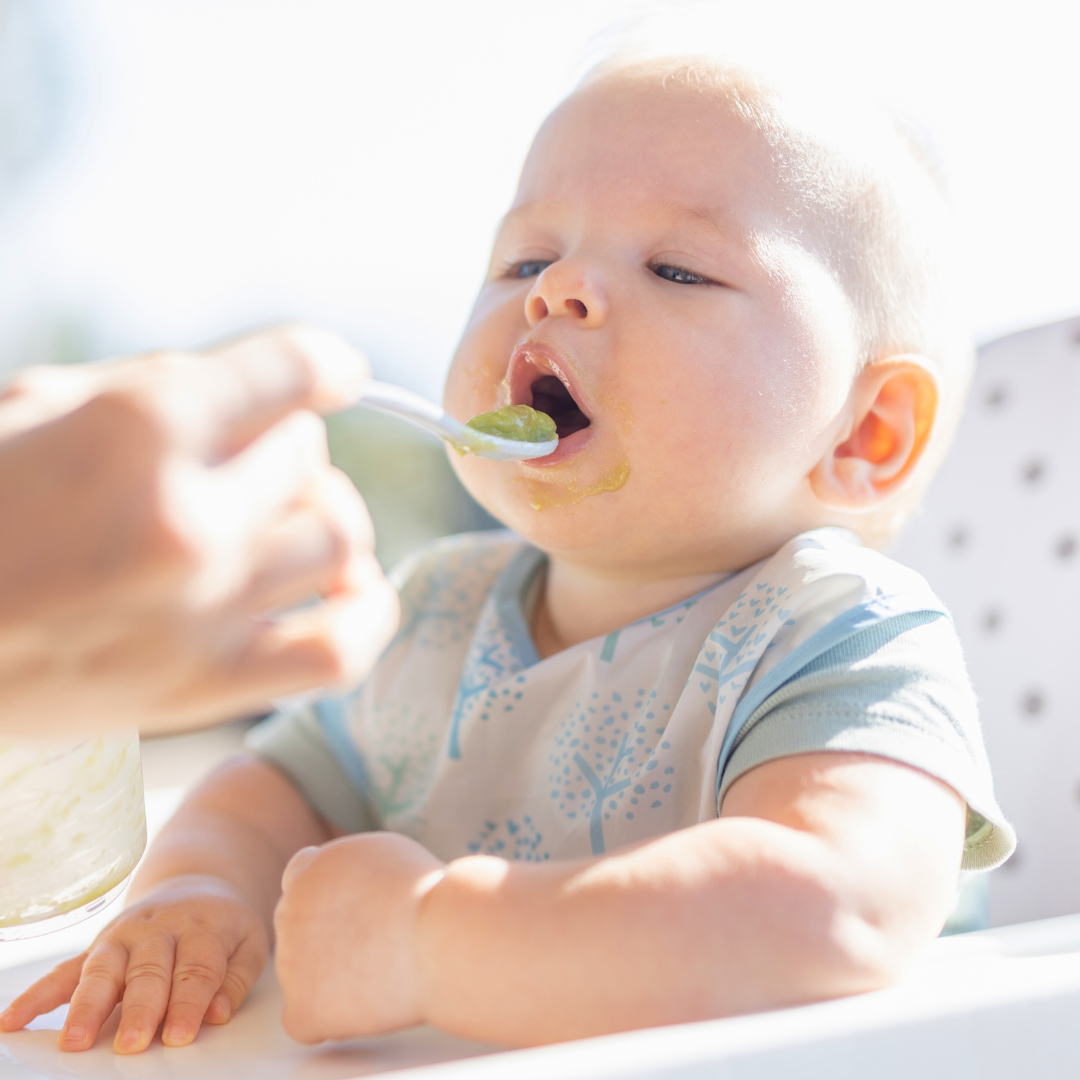
Feeding Is a Journey — Not a Race
Babies need to be orally ready before starting solids
Starting solids is not about age, trends, or what other babies are doing.
It’s about whether your baby’s mouth and body are ready to safely handle food.
Feeding is a journey, not a race.
Babies need oral readiness — not pressure.
Many babies are simply not ready yet, and that is completely okay.
What oral readiness looks like
A baby who is ready to start solids usually shows most of the following skills (often around 6 months):
Good head and neck control
Can sit upright with minimal support
Opens mouth when food is offered
Brings toys or hands to mouth
Moves food from the front of the mouth to the back
Swallows smoothly without distress
These skills tell us the tongue, lips, jaw, and posture are working together.
Signs your baby may not be ready yet
(And why waiting helps)
If you notice any of the following, it’s often a sign that oral skills are still developing:
Pushing food out with the tongue (tongue-thrust reflex)
Gagging with every bite
Trouble keeping food in the mouth
Coughing, choking, or watery eyes
Slumping or needing to recline to “manage” food
Turning head away or closing mouth tightly
These are not failures.
They are signals that your baby needs more time.
Waiting allows skills to mature and makes feeding safer and more enjoyable later.
Milk still comes first
Breast milk or formula remains the primary source of nutrition in early feeding.
Solids are introduced to:
explore flavors
practice oral-motor skills
build positive experiences with food
Not to replace milk feeds early on.
Start slow: texture matters
When your baby is ready, begin with textures that match early oral skills:
Very smooth
Very wet
Easy to move in the mouth
Think: thin yogurt or cream soup
Not: thick peanut butter or mashed potatoes
A gentle but important note on peanut butter
Early peanut exposure can be important — but texture matters.
Peanut butter is:
thick
sticky
hard to clear from the mouth
For new eaters, it should always be thinned with breast milk, formula, yogurt, or applesauce until it easily drips off the spoon.
The takeaway
There is no rush.
There is no competition.
When we wait for oral readiness, we protect swallowing, reduce stress, and support long-term feeding success.
If feeding feels confusing or stressful, support matters — and you’re not alone.
Thick vs. Just Right
Why texture matters for new eaters
Babies don’t struggle with foods because they are “picky.”
They struggle because their oral-motor skills are still developing.
Early eaters need textures that help them learn — not textures they have to fight.
TOO THICK (Not orally ready)
These textures are hard for babies to move, clear, and swallow safely.
What it looks like:
Sticks to the spoon
Holds its shape
Doesn’t drip when the spoon is tilted
Common examples:
Peanut butter straight from the jar
Thick mashed potatoes
Thick oatmeal or cereal
Chunky or grainy purées
What you may see:
Pushing food out with the tongue
Gagging with every bite
Coughing or watery eyes
Stress or refusal
These are signals, not failures.
JUST RIGHT (Orally supportive)
These textures match early oral-motor skills and support safe learning.
What it looks like:
Smooth
Wet
Drips easily off the spoon
Think:
Thin yogurt
Cream soup
Pourable purée
What you may see:
Easier swallowing
Less gagging
More interest
Calmer mealtimes
The spoon test (simple parent trick)
Tilt the spoon slightly.
Stays stuck? → Too thick
Drips slowly? → Just right
If it doesn’t drip, thin it.
How to fix “too thick” foods
You don’t need new foods — just better textures.
Thin purées with:
Breast milk
Formula
Water
Yogurt or applesauce
Even allergy foods (like peanut) should always be thinned at the beginning.
The takeaway
There is no prize for thick textures early.
When texture matches skills, babies feel safer —
and learning to eat becomes easier and more enjoyable.