Little Bites Big Steps December Newsletter 2025
Picky Eating Or Something More?
All children go through phases with food—but not all feeding challenges are created equal. It’s important to know when a child is simply “picky”… and when there may be deeper feeding, sensory, or oral-motor issues that need support.

Picky Eating Or Something More?
What is Picky Eating?
Picky eating is usually behavioral and developmental.
Children may:
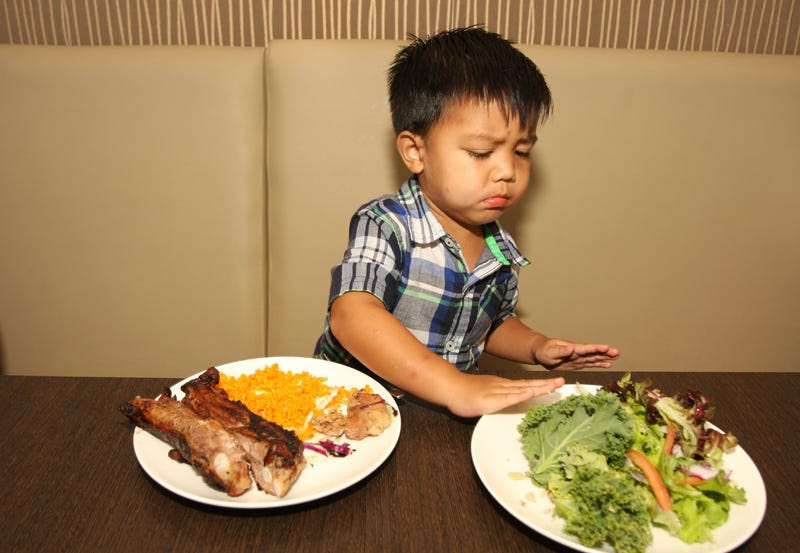
Prefer a small number of favorite foods
Reject foods based on smell, taste, or appearance
Go through phases of refusing foods they once liked
Eat less during growth-plateau periods
Want control and predictability
Picky eaters still:
Show curiosity with food
Can tolerate seeing and touching new foods
Eat at least one item from each food group
Maintain healthy growth and weight
When It’s More Than Picky Eating
This is where feeding difficulties may indicate an underlying problem — medical, sensory, motor, or psychological.
Red flags include:
Gagging or vomiting around certain textures
Avoidance of entire food categories
Extreme sensitivity to smell or sight of food
Weight loss, slow growth, or nutritional gaps
Only eats very smooth or specific textures
Takes excessively long to eat
Difficulty chewing or pocketing food in cheeks
History of reflux, aspiration, or choking events
Refuses foods not just at home—but everywhere
Children with oral-motor delays, sensory processing differences, reflux, swallowing disorders, or feeding trauma may fit this category.
When To Intervene?
You should seek feeding support if a child:
Has fewer than 12 accepted foods
Eats only one texture (crunchy, pureed, etc.)
Avoids chewing
Has frequent coughing or choking with foods
Cries or panics when presented with new foods
Has a stressful relationship with mealtime
Is not gaining weight appropriately
Has a history of prematurity or medical complications
Shows signs of swallowing difficulty
Early intervention is key — delays in feeding can lead to long-term eating challenges, oral aversion, or nutritional deficits.
How We Help
At the Cleveland Feeding & Swallowing Center and the Star Center Foundation, we:
Assess sensory responses to food
Evaluate chewing and swallowing function
Explore food curiosity without pressure
Use playful exposure and modeling
Build safe eating experiences
Coach parents through every step
Promote confidence and adventure at the table
For some children, it’s not about won’t eat — it’s about can’t eat comfortably.
A Parent’s Reminder
You didn’t cause this.
Your child isn’t “being difficult.”
And they are not alone.
Every child can grow into a joyful, confident eater — with the right tools, support, and compassionate guidance.
Want to Learn More?
If you would like resources, a conversation, or support for your child’s eating journey, please reach out:
Cleveland Feeding & Swallowing Center / Star Center Foundation
835 Sharon Dr, Suite 280, Westlake, OH 44145
216-320-2456
starcenterfoundation.org